Here’s What You’ll Learn in This Guide
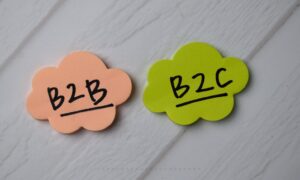
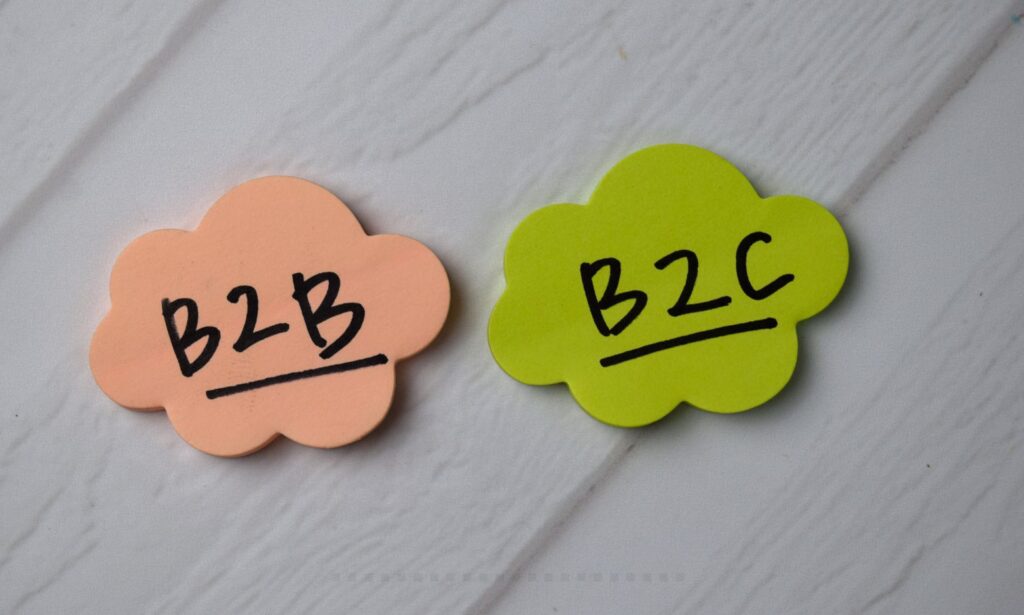
B2B vs B2C lead gen strategies require fundamentally different approaches. From buyer psychology and sales cycles to messaging, channel selection, KPIs, and funnel design, aligning strategy with audience behavior is essential for maximizing ROI and driving sustainable growth.
Introduction
Lead generation is the engine that drives business growth. Yet too many organizations apply a one-size-fits-all approach across vastly different audiences. The truth is simple: B2B vs B2C lead gen strategies cannot follow the same playbook.
Business-to-business (B2B) and business-to-consumer (B2C) buyers behave differently, think differently, and make decisions differently. When companies blur the lines between the two, campaigns underperform, budgets get wasted, and conversion rates stall.
At Iconvertly, we help brands align strategy with buyer psychology, sales cycles, and data-driven insights. In this guide, we’ll break down why B2B and B2C lead generation must diverge—and how to optimize each for maximum ROI.
Understanding the Core Differences Between B2B and B2C
Before building a campaign, you must understand who you’re targeting and how they make decisions.
1. Decision-Making Process
B2B Buyers:
- Multiple stakeholders involved
- Long evaluation cycles
- Focus on ROI, efficiency, scalability
- Formal approval processes
B2C Buyers:
- Individual decision-makers
- Shorter buying cycles
- Emotion-driven purchasing
- Instant gratification expectations
A CFO evaluating enterprise software does not think like a consumer buying sneakers. Messaging, timing, and content must reflect these realities.
Sales Cycle Length and Its Impact on Strategy
2.1 B2B: Long and Layered
B2B sales cycles often last weeks or months. Prospects move through multiple touchpoints: awareness, research, demos, proposals, negotiations, and approvals.
Lead generation must focus on nurturing relationships over time through:
- Educational content
- Case studies
- Whitepapers
- Webinars
- Email automation sequences
Patience and personalization are essential.
2.2 B2C: Fast and Frictionless
B2C buyers often convert quickly—sometimes within minutes. Their journey may include:
- A social media ad
- A landing page
- A checkout form
Here, the focus shifts to speed, clarity, and urgency. Complicated funnels reduce conversion rates.
According to HubSpot’s State of Marketing Report, B2B sales cycles average 102 days, while B2C purchase decisions can occur within 24 hours depending on product type.
Messaging: Logic vs Emotion
3.1 B2B Messaging
B2B lead generation prioritizes logic and value. Messaging should emphasize:
- Cost savings
- Productivity improvements
- Competitive advantage
- Risk reduction
Statistics, data, and proof points matter. Decision-makers need evidence.
3.2 B2C Messaging
B2C marketing appeals to emotions and aspirations. Campaigns highlight:
- Lifestyle enhancement
- Personal satisfaction
- Convenience
- Social validation
Emotion drives action in consumer markets. The stronger the emotional trigger, the higher the conversion potential.
Channel Selection Must Reflect Audience Behavior
4.1 B2B Channels
Effective B2B lead gen strategies often leverage:
- LinkedIn Ads
- Industry webinars
- SEO for informational queries
- Account-based marketing (ABM)
- Targeted email outreach
Professional networks and thought leadership content perform well in this space.
4.2 B2C Channels
B2C campaigns thrive on:
- Instagram and TikTok
- Facebook Ads
- Influencer marketing
- Google Shopping Ads
- Retargeting campaigns
Visual appeal and impulse-friendly formats are critical.
At Iconvertly, we evaluate behavioral data to determine which channels generate the highest quality leads rather than relying on assumptions.
Content Strategy: Depth vs Brevity
5.1 B2B Content
B2B buyers seek detailed insights. Effective content includes:
- Long-form blog articles
- Industry research reports
- In-depth comparison guides
- ROI calculators
Content must educate and build trust over time.
5.2 B2C Content
B2C audiences prefer concise, engaging content:
- Short-form videos
- Product demos
- Quick testimonials
- Promotional offers
The goal is clarity and immediate impact.
Data and Personalization: Different Applications
6.1 B2B Personalization
Personalization in B2B often focuses on:
- Industry-specific messaging
- Company size segmentation
- Role-based targeting (CEO vs Marketing Director)
- Customized proposals
The complexity of B2B requires granular targeting.
6.2 B2C Personalization
B2C personalization centers around behavior:
- Browsing history
- Purchase patterns
- Cart abandonment data
- Geographic location
Automation and AI tools optimize these interactions at scale.
Lead Qualification: Quality vs Volume
7.1 B2B: Quality Over Quantity
In B2B, a single qualified lead may represent thousands or millions in revenue. Metrics such as:
- Marketing Qualified Leads (MQLs)
- Sales Qualified Leads (SQLs)
- Pipeline velocity
are more important than sheer volume.
7.2 B2C: Volume and Conversion Rate
In B2C markets, higher lead volume combined with strong conversion optimization drives growth. The emphasis lies in:
- Cost per acquisition (CPA)
- Return on ad spend (ROAS)
- Average order value (AOV)
Scale matters more than individualized relationship-building.
Budget Allocation and Risk Tolerance
8.1 B2B Investment
B2B companies often allocate significant resources to fewer campaigns due to high customer lifetime value (CLV). Testing is deliberate and measured.
8.2 B2C Investment
B2C businesses frequently run multiple ad variations simultaneously, testing creative assets aggressively to maximize performance quickly.
Strategic budget distribution ensures the right return profile for each model.
Common Mistakes When Strategies Don’t Diverge
When businesses fail to distinguish between B2B vs B2C lead gen strategies, they often encounter:
- Overly complex funnels for consumers
- Oversimplified messaging for enterprise buyers
- Misaligned KPIs
- Poor channel selection
- Inefficient ad spend
For example, using emotional, lifestyle-focused ads to sell enterprise software rarely converts high-level decision-makers. Conversely, a 20-page whitepaper won’t convince a consumer to purchase skincare products.
Building the Right Funnel for Each Model
9.1 B2B Funnel Structure
- Awareness through thought leadership
- Consideration via educational resources
- Evaluation through demos and case studies
- Conversion with personalized proposals
Lead nurturing is ongoing and data-driven.
9.2 B2C Funnel Structure
- Awareness via paid social or search ads
- Interest through engaging visuals and benefits
- Desire via testimonials and offers
- Action with streamlined checkout
Frictionless UX is critical.
Measuring Success: KPIs That Matter
10.1 B2B KPIs
- Pipeline growth
- Customer acquisition cost (CAC)
- Lead-to-close ratio
- Sales cycle length
- Customer lifetime value
10.2 B2C KPIs
- Conversion rate
- Return on ad spend
- Cart abandonment rate
- Customer retention rate
- Cost per acquisition
Tracking the wrong metrics leads to poor strategic decisions.
Why Partnering with Specialists Matters
Lead generation is no longer about guesswork. It demands precision, testing, and continuous optimization. At Iconvertly, we design tailored campaigns that respect the unique dynamics of B2B and B2C markets.
By combining behavioral analytics, conversion optimization, and strategic funnel development, we ensure that businesses do not blur the lines between audience types. Instead, we build focused, high-performing systems that drive measurable revenue growth.
Understanding the divergence between B2B vs B2C lead gen strategies is the first step. Executing them effectively is where true growth begins.
Explore how Iconvertly can help your business refine its lead generation approach and maximize ROI with strategies built specifically for your audience.
FAQs
1. What is the main difference between B2B and B2C lead generation
B2B lead generation focuses on long sales cycles, multiple stakeholders, and logical decision-making, while B2C targets individual consumers with shorter buying cycles and emotion-driven messaging.
2. Why can’t one strategy work for both B2B and B2C
Because buyer behavior, decision timelines, and KPIs differ significantly. Applying the same tactics often leads to misaligned messaging and poor results.
3. Which channels work best for B2B lead generation
LinkedIn, webinars, SEO, and account-based marketing are commonly effective for reaching professional decision-makers.
4. What makes B2C lead generation successful
Strong emotional messaging, compelling visuals, clear calls to action, and frictionless purchase paths drive B2C success.
5. How can Iconvertly improve lead generation performance
Iconvertly builds customized funnels, optimizes conversion paths, and uses data-driven insights to ensure strategies align with either B2B or B2C buying behavior.