Quick Summary: What This Blog Covers
This blog explains how AI powered website personalization improves engagement and conversions by adapting content, messaging, and CTAs to real user behavior. It highlights why personalization is now essential for performance driven growth and how businesses can use AI to deliver relevant experiences at every stage of the buyer journey.
Introduction
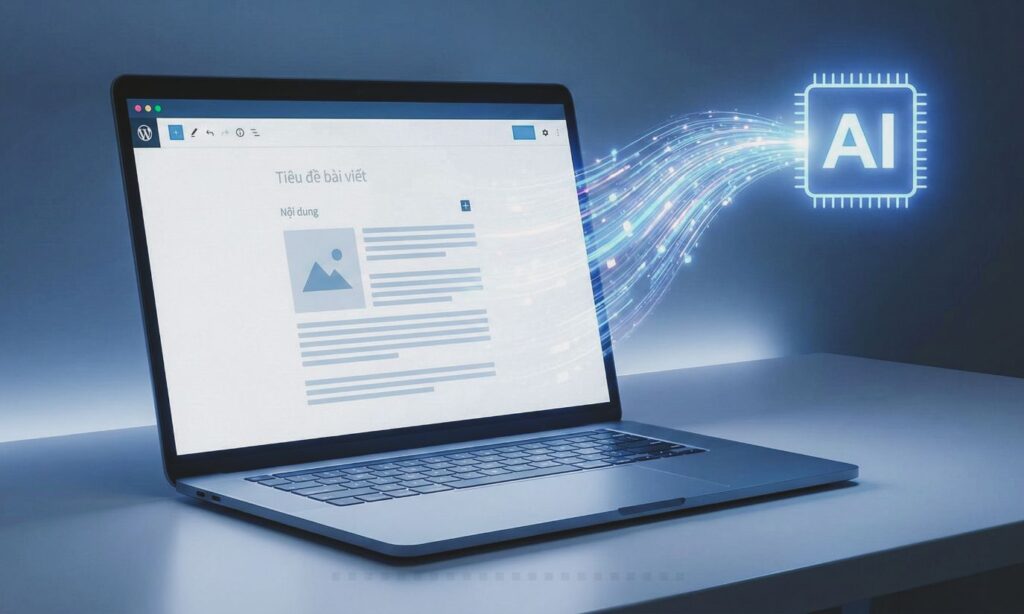
Website experiences are no longer about showing the same message to every visitor and hoping it resonates. Buyers today expect relevance. They expect content, offers, and experiences that feel tailored to their needs, intent, and stage in the journey. This shift is exactly why AI powered website personalization has become one of the most effective tools for improving engagement and conversions. For businesses focused on performance driven growth, personalization is no longer optional. It is a competitive advantage.
At Iconvertly, we work with growth focused brands that want their websites to do more than look good. They want sites that adapt, learn, and convert. AI driven personalization allows websites to respond intelligently to user behavior in real time, creating experiences that feel relevant without manual effort.
What AI Powered Website Personalization Really Means
AI powered personalization goes beyond basic rules like showing different content based on location or device. It uses machine learning models to analyze user behavior patterns and adjust the website experience dynamically.
This includes understanding:
- Pages visited and time spent
- Traffic source and intent signals
- Past interactions and conversion behavior
- Device type and engagement depth
Instead of guessing what a visitor wants, AI identifies patterns and serves the most relevant experience automatically.
According to McKinsey, companies that excel at personalization generate up to 40 percent more revenue from those activities than average performers.
Why Personalization Is Now a Conversion Requirement
Generic websites struggle for one simple reason. They treat every visitor the same. AI powered website personalization fixes this by aligning content with intent.
Key benefits include:
- Higher engagement rates
- Lower bounce rates
- Increased conversion rates
- Better lead quality
- Stronger customer trust
Visitors are far more likely to take action when the message matches their needs. Personalization removes friction from the decision making process.
How AI Personalization Works Behind the Scenes
AI driven personalization relies on three core components working together.
Data Collection
AI systems gather behavioral data such as clicks, scroll depth, traffic source, and session history. This data builds a contextual profile for each visitor.
Pattern Recognition
Machine learning models analyze behavior across thousands of sessions to identify trends and predict intent.
Real Time Adaptation
Based on predictions, the website dynamically adjusts content, layout, messaging, and calls to action while the visitor is still on the page.
Research from Salesforce shows that 73 percent of customers expect companies to understand their unique needs and expectations.
Key Areas Where AI Personalization Impacts Website Performance
AI powered website personalization can be applied across multiple touchpoints to improve results.
Homepage Messaging
The homepage is often the first impression. AI can adjust headlines, visuals, and value propositions based on visitor intent.
Examples include:
- Showing industry specific messaging for B2B visitors
- Highlighting solutions based on referral source
- Adjusting tone for first time versus returning users
Content Recommendations
AI can surface relevant blog posts, case studies, or resources based on browsing behavior.
This improves:
- Time on site
- Content consumption
- Funnel progression
Dynamic Calls to Action
Instead of static buttons, AI can present CTAs aligned with user readiness.
For example:
- Educational content for early stage visitors
- Demo requests for high intent users
- Consultation offers for returning prospects
Product or Service Pages
AI can reorder sections, emphasize benefits, or showcase social proof based on what similar users responded to.
Personalization Across the Buyer Journey
Effective AI powered website personalization adapts to each stage of the funnel.
Awareness Stage
Visitors are exploring problems. AI prioritizes educational content, insights, and credibility signals.
Consideration Stage
Users compare options. AI highlights comparisons, use cases, and proof points.
Decision Stage
High intent visitors see demos, pricing clarity, testimonials, and urgency based messaging.
A study by HubSpot found that personalized calls to action perform over 200 percent better than generic ones.
Common Personalization Use Cases for Growing Businesses
AI powered personalization is not limited to enterprise brands. Small and mid sized businesses benefit significantly.
Common use cases include:
- Lead generation pages that adapt based on traffic source
- Landing pages customized for paid campaigns
- Returning visitor experiences that skip redundant content
- Geo based personalization without manual setup
- Industry specific messaging for segmented audiences
The key advantage is scalability. AI automates what manual personalization never could.
Mistakes That Undermine AI Personalization Efforts
While AI powered website personalization is powerful, poor implementation can limit results.
Common mistakes include:
- Collecting data without clear goals
- Over personalizing too early without enough signals
- Ignoring privacy and consent considerations
- Treating AI as a plug and play solution
- Failing to test and optimize continuously
According to Forbes, personalization fails when brands focus on technology before strategy.
Successful personalization starts with intent mapping, not tools.
Measuring the Impact of AI Personalization
Personalization should always be tied to measurable outcomes.
Key metrics to track include:
- Conversion rate lift
- Engagement depth
- Time on site
- Lead quality
- Funnel progression speed
AI models improve over time, which means results compound when data quality and feedback loops are maintained.
The Role of Strategy in AI Personalization
AI does not replace strategy. It amplifies it. Without clear positioning and audience clarity, personalization becomes noise.
Strong personalization strategies start with:
- Defined buyer personas
- Clear value propositions
- Conversion focused content structure
- Funnel alignment
AI then enhances execution by adapting experiences at scale.
Why AI Personalization Is the Future of Website Design
Static websites are quickly becoming outdated. As competition increases and attention spans shrink, relevance is the differentiator.
AI powered website personalization represents a shift from broadcasting messages to creating conversations.
Future focused websites will:
- Adapt content in real time
- Learn from user behavior
- Reduce friction automatically
- Increase conversions without constant redesigns
Businesses that adopt this approach early build lasting advantages.
Final Thoughts
AI powered website personalization is redefining how businesses connect with their audiences online. By aligning content, messaging, and experiences with real user intent, websites become more engaging, more relevant, and far more effective at converting traffic into revenue. Personalization is no longer about customization for the sake of novelty. It is about delivering the right experience at the right moment.
For businesses looking to implement intelligent personalization strategies that drive measurable growth, Iconvertly helps design and optimize AI driven website experiences that convert. Explore how our personalization and conversion optimization solutions can transform your website into a performance focused growth engine.
Frequently Asked Questions
1. What is AI powered website personalization
It is the use of artificial intelligence to dynamically adjust website content and experiences based on user behavior, intent, and data patterns.
2. Is AI personalization only for large enterprises
No. Modern AI tools allow small and mid sized businesses to implement personalization without complex infrastructure.
3. Does personalization impact SEO
When implemented correctly, personalization improves engagement metrics which indirectly support SEO performance.
4. How long does it take to see results
Many businesses see engagement improvements within weeks, with conversion gains increasing as AI models learn.
5. Is user data safe with AI personalization
Reputable platforms follow strict data privacy and compliance standards, ensuring ethical and secure data usage.